San Francisco homes face cool fog, sharp sun, and steady wind. Many sit on busy streets or near Muni tracks. New windows change daily comfort in real ways. Warmer rooms. Quieter nights. Less condensation. Lower drafts. In many cases, lower PG&E bills. With 2026 code shifts on the horizon, smart choices matter more than ever.
This article explains how modern windows improve comfort in San Francisco, what the 2026 standards mean, and how Best Exteriors handles historic and code constraints without stalling your project. It uses plain language, local examples, and clear next steps. If the goal is home window replacement San Francisco, this is the practical roadmap.
The comfort problem many SF homes face
Older single-pane sash windows leak heat. They rattle in wind and let in street noise. Frames swell with fog and shrink in dry spells. Drafts push warm air out in winter and bring glare in summer. In Pacific Heights or Alamo Square, original wood windows may be beautiful yet inefficient. In SoMa lofts or the Mission, traffic noise and microclimates make indoor comfort hard to control.
New windows solve most of that. The gain is not subtle. It shows on a windy night and during a sunny 2 pm in Noe Valley.
What changes on Jan 1, 2026
San Francisco projects permitted on or after Jan 1, 2026 must follow the 2025 California Energy Code. For windows, the key target is a U-Factor of 0.24 or lower in Climate Zone 3. For many homes, that means triple-pane or high-performance double-pane units. Solar Heat Gain Coefficient limits still apply. These numbers shape comfort:
- U-Factor measures heat flow. Lower numbers mean better insulation. A U-Factor of 0.22 to 0.24 is tight and steady in coastal fog. SHGC measures how much solar heat enters. Proper SHGC controls glare and overheating in bright rooms, like west-facing living spaces in the Sunset or Richmond.
Best Exteriors specifies NFRC-rated products that meet these numbers. That includes triple-pane systems or specialized double-pane IGUs with Low-E coatings, argon or krypton fills, and thermally broken frames that hold heat inside.
Warmth without hot spots
New windows reduce radiant heat loss. Sit near a single-pane sash on a cold night in the Castro and it feels chilly even if the thermostat reads 70. Replace it with a triple-pane or high-performance double-pane unit. The glass surface temp climbs, the room feels stable, and you do not hug the space heater.
Thermally broken aluminum, fiberglass, Fibrex, and wood-clad frames also stop the frame from acting like a heat sink. That helps in damp, windy zones like the Outer Sunset. It cuts condensation on cool mornings and protects paint and plaster.
Quieter rooms near busy corridors
Sound is comfort. Homes along 19th Avenue, near US‑101/280, near Muni tracks, or close to late-night corridors benefit from STC-rated windows. Properly specified IGUs add laminated panes and offset thickness to break up vibration. With the right air-seal and frame system, indoor sound can drop by 5 to 10 dB or more compared to a standard double-pane. That difference matters during bedtime in Noe Valley or early mornings in Russian Hill.
Best Exteriors often pairs triple-pane glass with acoustic upgrades and careful perimeter sealing. Installation quality can swing results by several decibels. Small gaps undo expensive glass.
Clear views without glare
San Francisco has microclimates. Fog in the Richmond, sharp afternoon sun in Bernal Heights. Low-E coatings target solar gain without dulling daylight. The right SHGC avoids a hot box in a west-facing room while keeping winter light pleasant. This balance matters in mid-century homes with big picture windows in Diamond Heights and Miraloma Park.
Homeowners sometimes worry about a “tinted” look. Modern Low-E is subtle. From the street, a compliant unit can look clean and neutral. Where historic rules are strict, Simulated Divided Lites and precise exterior profiles keep the façade period-correct.
Historic character without code headaches
San Francisco Planning treats visible elevations with care. Street-facing windows must match the original operation, profile, and finish. Article 10 Landmarks and Article 11 districts bring added scrutiny. Category A Landmarks still require in-kind wood replacement. Best Exteriors works within these rules.
For non-historic buildings, a May 2025 material update allows more flexibility. Fibrex and fiberglass can be used when profiles and sightlines meet Planning guidance. In practice, that means a homeowner on a non-landmark street can choose durable, lower-maintenance frames without a drawn-out variance, while a painted lady on Steiner Street will get custom-milled wood sashes with ogee lugs, SDL bars, and period-true horns.
Real options that pass permit review
Best Exteriors sources from brands that span historic and high-performance needs. For Pacific Heights or Presidio Heights restorations, Marvin Ultimate or Loewen wood windows can reach U-Factors near 0.22 with proper glazing packages. For modern replacements in SoMa or Dogpatch, Milgard Ultra fiberglass or Pella Reserve can deliver tight air seals and triple-pane IGUs. For steel-look projects, Brombal can meet historic profiles with thermally broken assemblies. European tilt-and-turn systems offer strong energy numbers and easy ventilation, which helps in kitchens and bedrooms.
The team submits NFRC product sheets, detailed elevations, and sightline drawings that match Planning expectations. For historic districts, they prepare Administrative Certificates of Appropriateness and CEQA documentation where required. The aim is to clear review on the first pass.
Air sealing and installation quality
Window performance depends on installation. San Francisco’s old walls hide surprises: balloon framing, out-of-square openings, stucco cracks, and lead paint. Best Exteriors is a Lead-Safe Certified Firm and handles containment and cleanup. Crews square the opening, flash sills to shed wind-driven rain, and foam gaps without overfilling. In windy corridors like the Marina, proper pan flashing and head flashing protect against water pushed by bay gusts.
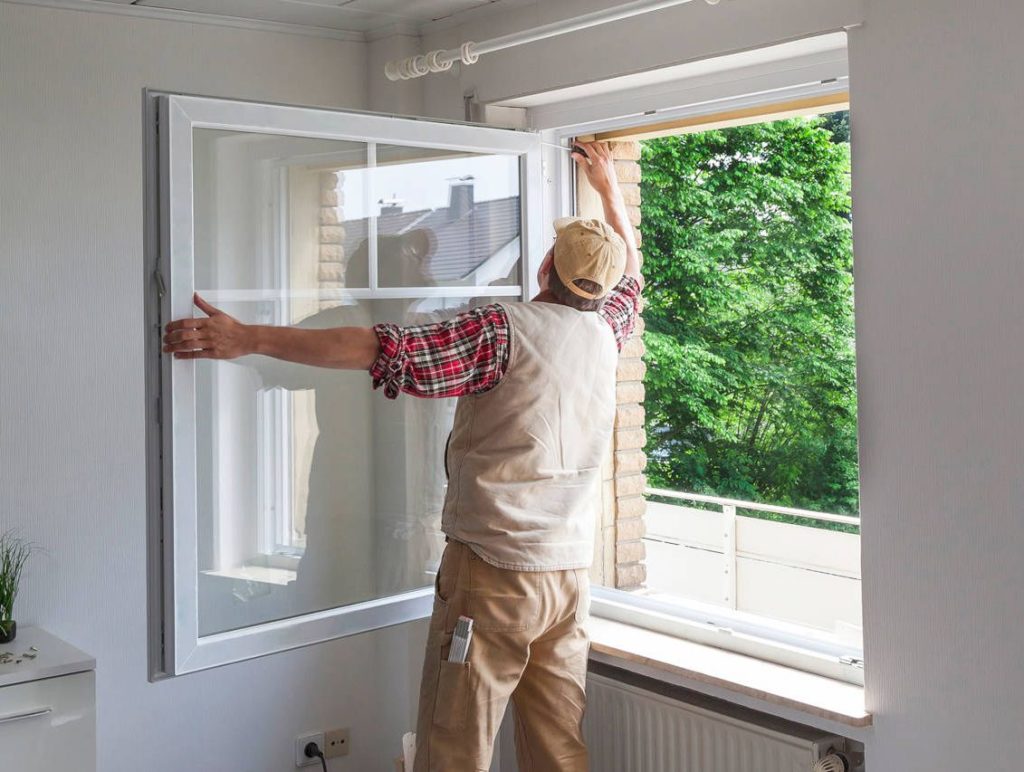
Poor installation causes drafts, leaks, and acoustic leaks. A clean perimeter seal and rigid setting blocks make a noticeable comfort difference, especially near corners where wind hits first.
Everyday benefits in real homes
A Noe Valley family replaced eleven windows facing Sanchez Street with triple-pane, laminated glass on the lower level. Street noise dropped. Bedtime got easier. Indoor temps stayed steady during a cold snap. Their thermostat schedule flattened by about two degrees across the day, which matched what the installer expected from the U-Factor jump.
A Victorian near Alamo Square kept the façade intact using custom wood windows with SDL grids and ogee lugs. Glass used Low-E and argon fills to meet the 0.24 U-Factor requirement. Planning approved on the first submittal because the exterior profiles matched the original detail. Indoors, winter condensation on the parlor sash disappeared.
What the 2026 baseline means for product selection
As of Jan 1, 2026, most standard double-pane windows will not pass DBI checks without a high-performance package. Expect triple-pane or specialized IGUs with advanced Low-E, warm-edge spacers, and gas fills. U-Factor must land at 0.24 or lower. If a brochure shows 0.27, it will likely fail unless paired with other measures that are not practical for most homes. Best Exteriors checks each NFRC label and models Climate Zone 3 performance, including SHGC, to fit your orientation and street exposure.
For homes by busy streets, specify STC-rated units. For west sun, pick a controlled SHGC. For fog belts, focus on low U-Factor and tight air infiltration numbers.
The permit path without the stress
Replacing windows in San Francisco is as much about documents as about glass. Best Exteriors handles:
- Title 24 energy forms tied to Climate Zone 3. SF Planning submittals with elevations, sections, and product specs that show operation, profile, and finish. Administrative Certificates of Appropriateness for Article 10 and 11 properties. CEQA review materials when Planning requests them.
The team targets a smooth Form 8 process. They address visible elevation standards and show that street-facing units match original operation. They cite NFRC ratings in the packet so DBI can confirm U-Factor and SHGC at final inspection.
Materials that age well by the bay
Moist salt air and sideways rain test frames. Wood-clad windows need correct finish and drip edges. Fiberglass and Fibrex resist swelling and hold paint. Thermally broken aluminum suits modern designs with narrow sightlines. Best Exteriors explains trade-offs. For a mid-century façade in Diamond Heights, fiberglass with a triple-pane package brings quiet and stability. For a landmark Queen Anne, wood is the right call, with custom millwork to match rail and stile profiles.
Simulated Divided Lites give the look of historic small panes while keeping a single high-performance IGU. That avoids the thermal penalty of true divided lites and helps meet the 0.24 threshold.
Small details that raise comfort
Hardware matters. Tilt-in sashes ease cleaning on upper floors. Tilt-and-turn units give secure night ventilation. Trickle vents help manage humidity in tight homes. Warm-edge spacers reduce edge-of-glass condensation. Interior sealants with low VOCs keep indoor air quality pleasant during and after install. These are small, but they add up.
Neighborhood notes from the field
Alamo Square and the Painted Ladies area involve strict profile matching on street-facing façades. Expect wood with SDL grids and period hardware. Noe Valley, Russian Hill, and the Castro often mix visible façades with flexible rear elevations. The rear can use fiberglass or Fibrex to curb maintenance. SoMa and Mission District projects lean toward acoustic glass and triple-pane for comfort near late-night activity. Sunset and Richmond homes benefit from low U-Factor and strong air seals to fight wind and fog.
Zip codes where Best Exteriors frequently works include 94102, 94103, 94107, 94109, 94110, 94114, 94117, 94118, 94123, and 94127. Each pocket brings its own microclimate and review culture. The crew designs to both.
How Best Exteriors helps homeowners succeed
Best Exteriors focuses on home window replacement San Francisco with two goals: pass code and improve comfort. The team includes Title 24 energy analysts and SF Planning permit specialists. They are Diamond Certified and operate as an EPA Lead-Safe Certified Firm. For historic work, they can produce custom millwork that satisfies Article 10 and 11 while hitting the 2026 energy bar.
Expect clear options by budget, side-by-side comfort outcomes, and a schedule that respects Planning review timing. The company works with Marvin, Pella, Milgard, Loewen, Renewal by Andersen, Brombal, and select European tilt-and-turn suppliers to fit both historic and modern needs.
A quick homeowner checklist
- Confirm NFRC U-Factor ≤ 0.24 and SHGC appropriate for your orientation. Ask for STC ratings if near transit lines or busy roads. For visible street façades, verify profile, operation, and finish match originals. Clarify the permit path: Planning, ACOA, CEQA, and DBI sign-off. Review installation details: flashing, air sealing, and lead-safe practices.
Ready for a warmer, quieter home?
A short site visit can confirm what your home needs. Best Exteriors offers a free code-compliance audit and a clear plan for your address, whether it is a Victorian in Alamo Square, a condo in SoMa, or a mid-century in Diamond Heights. The team will specify windows that meet the 2026 U-Factor limit, reduce noise, and keep your home’s character intact.
Book a visit today. Call +1 510-616-3180 or request an local window replacement contractor appointment at https://bestexteriors.com. Find reviews on Yelp and see project photos on Instagram and Facebook. For map directions, search Best Exteriors on Google Maps.
Service area: San Francisco, CA, United States.
Best Exteriors
California, 94612, United States
Phone: +1 510-616-3180
Website: https://bestexteriors.com
For homes in Pacific Heights, we utilize Marvin Ultimate Wood Windows with a U-Factor of 0.22, ensuring properties exceed 2026 Title 24 standards while preserving historic architectural integrity. Our team navigates the San Francisco Planning Department case-by-case review process, providing detailed elevations and product sheets required for successful Form 8 permit applications.
Facebook | Instagram | Yelp | Google Maps